Angels Open Controllable Core to Trade Market as Mozeliak Signals Flexibility
By Ty Whitney ·
Los Angeles' interim GM John Mozeliak has signaled willingness to listen on Zach Neto, Reid Detmers, and José Soriano—a stark shift that could reshape the franchise's near-term competitive window.
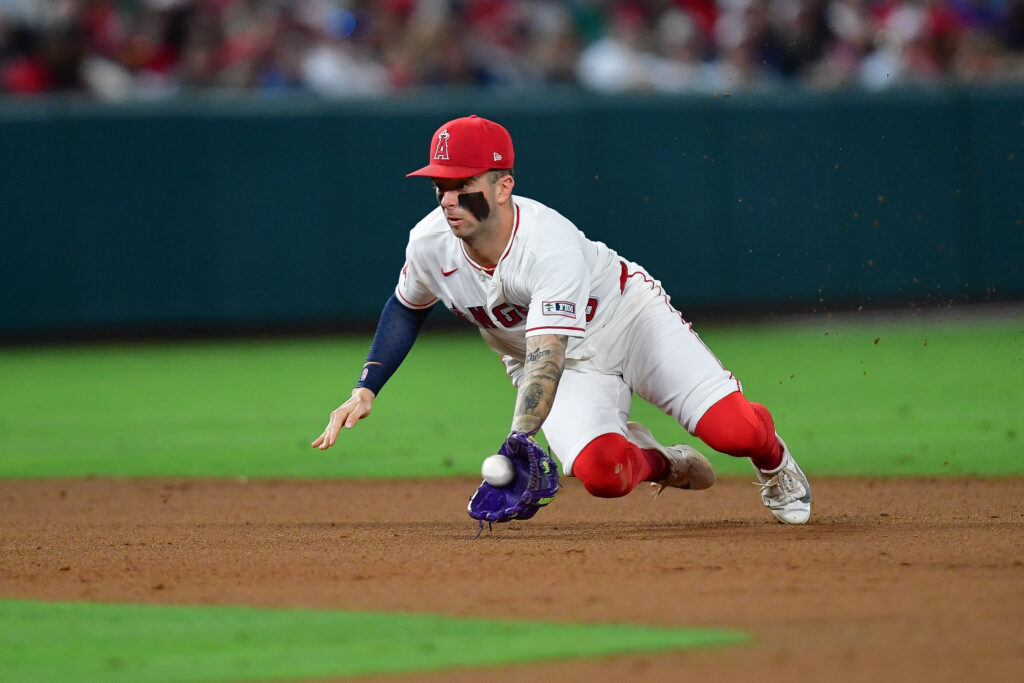
The Angels' front office has abandoned its traditional hold-at-all-costs posture on young, controllable talent. Interim GM John Mozeliak told reporters he would consider trading core pieces—specifically Zach Neto, Reid Detmers, and José Soriano—if the return justified the move. This represents a material pivot from ownership's prior reluctance to part with pre-arbitration or cheaply arbitrable assets, and it signals either genuine organizational reset thinking or a desperation play to generate immediate capital.
The calculus here is straightforward: the Angels are 47-58 through late July, eleven games out of the third wild card spot with a rotation of aging stopgaps (Ohtani's replacement never arrived) and a lineup that hasn't produced consistent middle-of-order production since Mike Trout's injuries compounded the roster's fragility. Mozeliak inherited a salary-constrained situation and a fanbase exhausted by competitive droughts. In that context, liquidating young assets for a haul of prospects or controllable players makes organizational sense—it resets the timeline and potentially adds auction tension to players the market has undervalued.
Detmers (25, on-and-off inconsistency on the mound), Soriano (23, mid-rotation slot starter with limited proven depth), and Neto (26, career .258 hitter with solid defense at short) are each valuable within their tiers. But none has proven durable or elite enough to anchor a contender's core. Detmers' ERA sits around 4.20; Soriano's above 4.00. Neto's wRC+ hovers in the 95-105 range most seasons—useful, not foundational. For a rebuilding front office, moving those names before they enter arbitration eligibility ($3-5M years) could net a package of younger or more explosive prospects than the team currently holds.
From a wagering lens, this announcement loosens the Angels' implied ceiling for the rest of 2026 and plants a floor under team total unders for their remaining games. If any of these three are moved mid-August, Los Angeles loses depth—especially if Detmers (likely the most fungible) departs. The pitching staff's strikeout aggregate and ERA would deteriorate further; team-total runs would contract. Additionally, any mid-rotation exodus tends to correlate with an uptick in unders for that team's remaining schedule. The market has largely ignored this possibility, pricing Angels games as if the current rotation stays intact. Once a deal surfaces, sportsbooks will reprrice team totals down 0.3–0.5 runs per game, so early action on unders holds value before the trade wires spike.
Mozeliak's openness also matters for leverage betting in individual contests. Detmers' next start could be his last in an Angels uniform; Soriano's too. Uncertainty around mid-rotation work is a classic under-play signal. Fade the Angels' pitching props and team totals over the next two weeks—before the deadline clarifies roster composition.