Braves Trade For Suter's Innings; Bullpen Depth Play On The Clock
By Erik Schwartz ·
Atlanta swaps prospect stock for a veteran lefty reliever as the stretch run amplifies the need for durable arms.
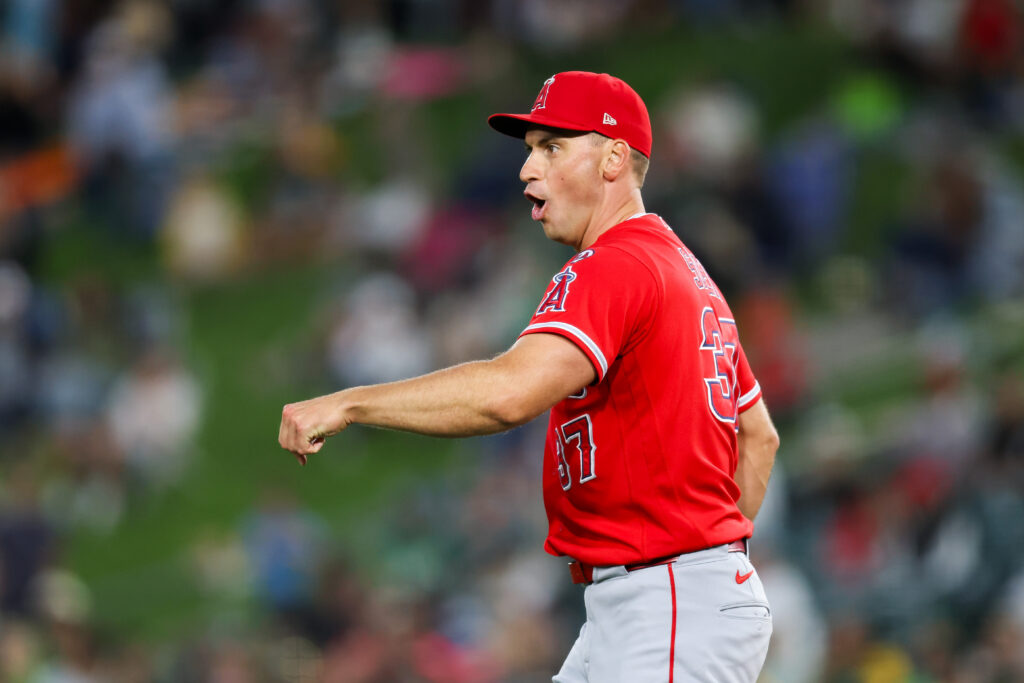
The Braves acquired left-handed reliever Brent Suter from the Angels in exchange for infielder Nacho Alvarez Jr., addressing a recurring pressure point in their bullpen depth. Suter, 36, becomes another long-relief option for a staff that has cycled through multiple arms trying to absorb innings during high-leverage stretches.
The logic is straightforward: Atlanta's bullpen has been threadbare at the backend, forcing overuse of elite closers and primary relievers. A veteran arm capable of eating 2–3 innings in a spot start or extended relief role provides flexibility down the stretch. Suter's 11-year MLB resume means he understands his role and execution matters more than velocity at this stage. For the Angels, Alvarez represents opportunity cost—a former top-100 prospect whose prospect value has diminished, making him tradeable for short-term bullpen depth without gut-wrenching internal backlash.
Breakdown: The Braves' win probability in close games (within three runs in the sixth inning or later) has taken a hit when they cycle to their fifth or sixth reliever. Adding Suter doesn't move that needle dramatically—he's a marginal upgrade over emergency long men—but it reduces the frequency with which the bullpen tips into emergency mode. Over a 60-game stretch to October, those marginal reductions compound. The quantifiable edge lives in Atlanta's bullpen usage patterns: when Suter eats innings that otherwise fall to a position player or AAA call-up, the Braves preserve their most reliable arms for higher-leverage spots. That's not dramatic, but it's durable.
From a betting lens, Braves team totals and moneylines don't repriced sharply on a single-arm add of a 36-year-old lefty. The market already priced Atlanta's bullpen as flawed; Suter is a patch, not a fix. Where the angle lives is in scenarios where the Braves play extended games or deploy Suter in a spot start: those spots will carry lower bullpen-fatigue risk, which translates to more reliable performance from the top three relievers. If you've been tracking Braves bullpen efficiency games where they DON'T blow a lead in the eighth or ninth, Suter's availability should tick that win rate slightly upward—maybe 1–2 percentage points. In a tight playoff race, that's material. The bet isn't "Braves moneyline now carries an edge." It's "Braves moneyline in games where the bullpen doesn't cycle to exhaustion now has a firmer floor."
Market read: This trade won't trigger line movement. Suter at 36 with a 4.50+ ERA in recent seasons doesn't scream "game-changer." But sharp books already modeled Atlanta's bullpen constraints into their preseason odds. What changes is the tail risk—the scenario where Atlanta gets caught in a 12-inning game without AAA depth. Suter eliminates that tail risk. If you're building a Braves futures position and bullpen depth was your hesitation, this removes one friction point. Not enough to move a moneyline—but enough to matter in aggregate expected value over 60 games.