Dodgers Activate Díaz and Pages Before Playoff Push—Closer Returns From Neck Injury
By Ty Whitney ·
Edwin Díaz rejoins the bullpen tomorrow after six weeks sidelined by a neck injury, forcing Los Angeles into immediate roster triage as the postseason window closes.
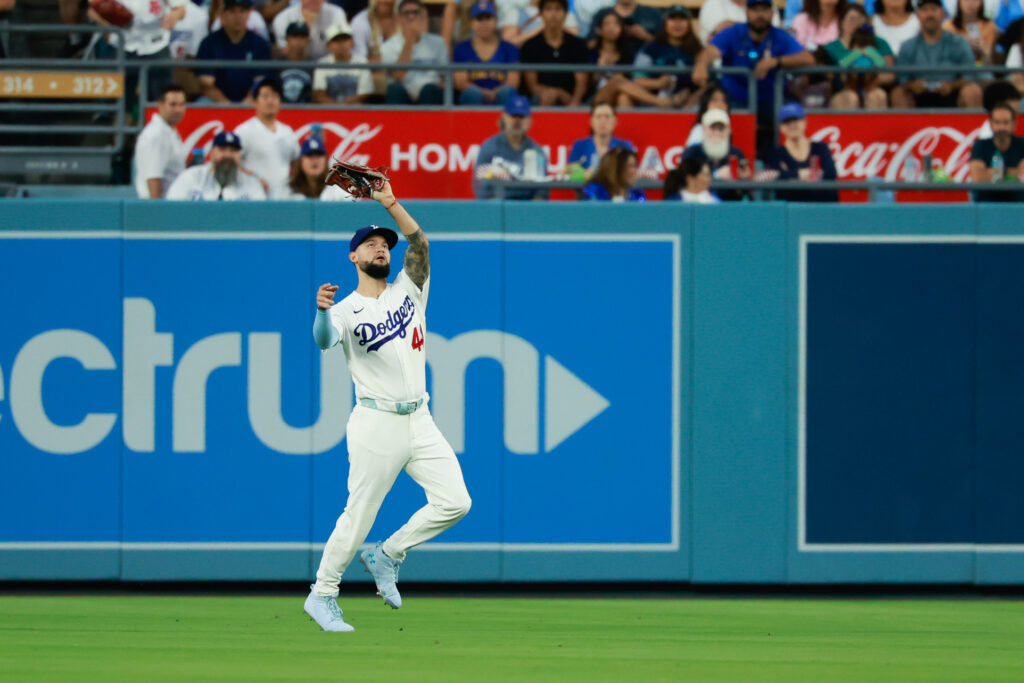
The Dodgers will reinstate reliever Edwin Díaz from the injured list tomorrow, manager Dave Roberts confirmed to beat reporters on Thursday. Díaz has been out since mid-August with a neck injury—roughly 30 days of lost innings in the season's most critical stretch. Center fielder Andy Pages is also nearing activation, though his timeline trails Díaz's by at least several days. Both returns carry immediate stakes: the team must pare its roster to 26 players for the Wild Card and beyond, and Díaz's easing-in process could cap his availability in early October.
Díaz's absence created a notable void in Los Angeles's closer dynamic. Even before the injury sidelined him, his performance had deteriorated sharply—a reliever once dominant in high-leverage spots has watched his fastball command slip and his appearance frequency decline. The neck injury itself represents structural trauma: return timelines for similar injuries often extend well into a pitcher's workload accumulation. A six-week layoff for a closer typically means his usage will be monitored closely in the first week back, and his pitch count will remain conservative in early outings.
Pages's return addresses the center field picture, but the timing suggests the team views him as a lottery ticket rather than a cornerstone for October. His activation window—coming just days before playoff rosters lock—hints that the organization is hedging its bets on both players' immediate impact. Roberts's decision to activate Díaz tomorrow signals confidence in his medical clearance, but operational confidence and performance readiness are different variables.
For bettors, the prop-betting angle hinges on one specific mechanism: Díaz's pitch-count management in his first week back. If he appears in low-leverage spots (1-2 innings total, <30 pitches per game), his strikeout rates will compress artificially below his season baseline—not because his stuff has deteriorated further, but because he won't be asked to throw hard for extended sequences. Books may not yet have priced in the distinction between "available for the roster" and "available for high-leverage deployment." His K/9 prop over the next seven days should trade higher than it would in a normal return scenario, because the market hasn't yet factored in the easing-in reality. This edge collapses within a week as usage data accumulates, so the angle is time-sensitive.
Pages's activation is less immediately actionable on the prop front—he's a bench depth piece in a playoff roster crunch. Díaz is the lever. Watch for his first appearance to come in a non-save situation, and fade strikeout props tied to high-leverage Dodgers innings until he has logged at least three or four normal-usage appearances post-return.