McCarthy's Unassisted Double Play Is a Defensive Marvel—But Won't Move the Needle on Rockies Value
By Ty Whitney ·
Jake McCarthy turned the first left-field unassisted double play in 13 years, a moment that belongs in highlight reels but belongs nowhere near your betting slate.
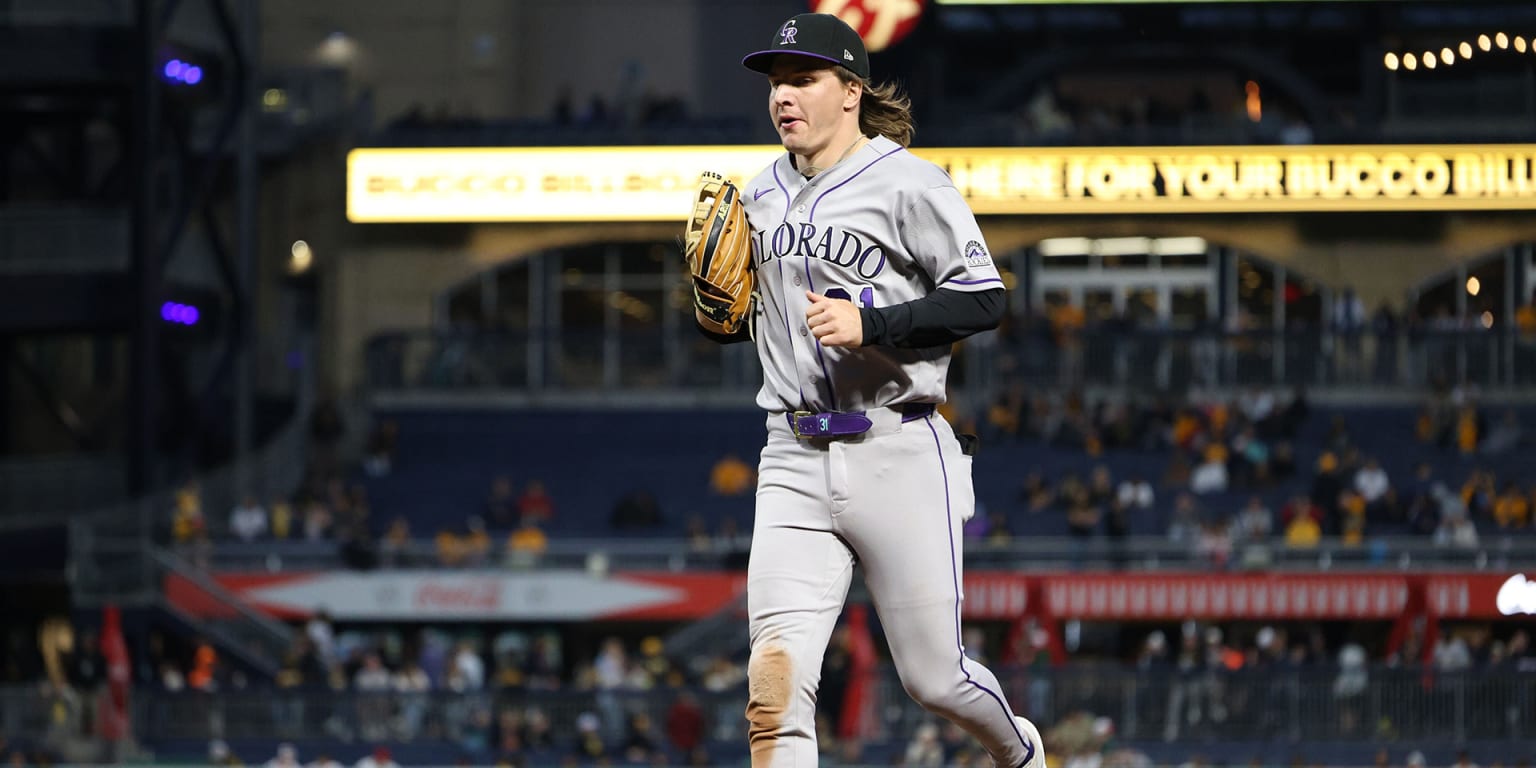
Jake McCarthy made history Wednesday night at PNC Park, recording an unassisted double play from left field in the first inning of Colorado's 10-4 victory over Pittsburgh. It was the first such play by a Rockies left fielder ever, and the first anywhere in the majors since Jonny Gomes pulled off the same feat for Boston in 2013. The mechanics were straightforward: Oneil Cruz was at second with one out and moving on the pitch when Bryan Reynolds lined a changeup to left. McCarthy sprinted in, made the catch, saw Cruz had no realistic path back to second, and simply jogged to the bag to complete the double play without a throw.
The rarity of the play—only three left fielders have done this since 2002—speaks to how unusual the circumstances have to align. A runner on second can't be forced out without a throw unless he's already committed to running. That requires both a line drive caught in the outfield and a baserunner with no escape route. It's a convergence of low-probability events, not a repeatable skill. McCarthy's awareness and footspeed mattered in the moment, but the play itself was largely predetermined by positioning and pitch sequencing. This isn't something you can bet on or predict; it's baseball theater.
What matters for Colorado's actual competitive posture is that the Rockies won convincingly—10-4 is a comfortable margin—and McCarthy was simply part of a game that unfolded in their favor. His defensive contribution was a nice bonus to an already strong night. But when you're evaluating Rockies props or team totals, you're looking at offensive firepower, pitching consistency, and park factors at Coors Field, not the probability of an unassisted double play. That's a once-per-decade event, not a repeatable edge.
For bettors eyeing Colorado going forward, the real story is whether this win reflects a sustainable offensive surge or a one-off explosion. The Pirates allowed 10 runs—that's concerning for Pittsburgh's pitching woes, not a referendum on the Rockies' true talent level. If you're considering plays on Colorado's team total or individual hitter props, anchor to their underlying metrics: hard-hit rate, strikeout rate, park advantage at Coors, and matchups against opposing pitching. A defensive rarity doesn't alter any of those inputs. McCarthy's moment will be replayed forever; it won't change a single betting line.