Blue Jays Shuffle Lineup as Corbin Hits Injured List; Schneider Returns Despite Offensive Struggles
By Erik Schwartz ·
Toronto's mid-season roster moves signal a shift away from underperforming position players and an injured starter, but Schneider's recall comes with significant offensive red flags.
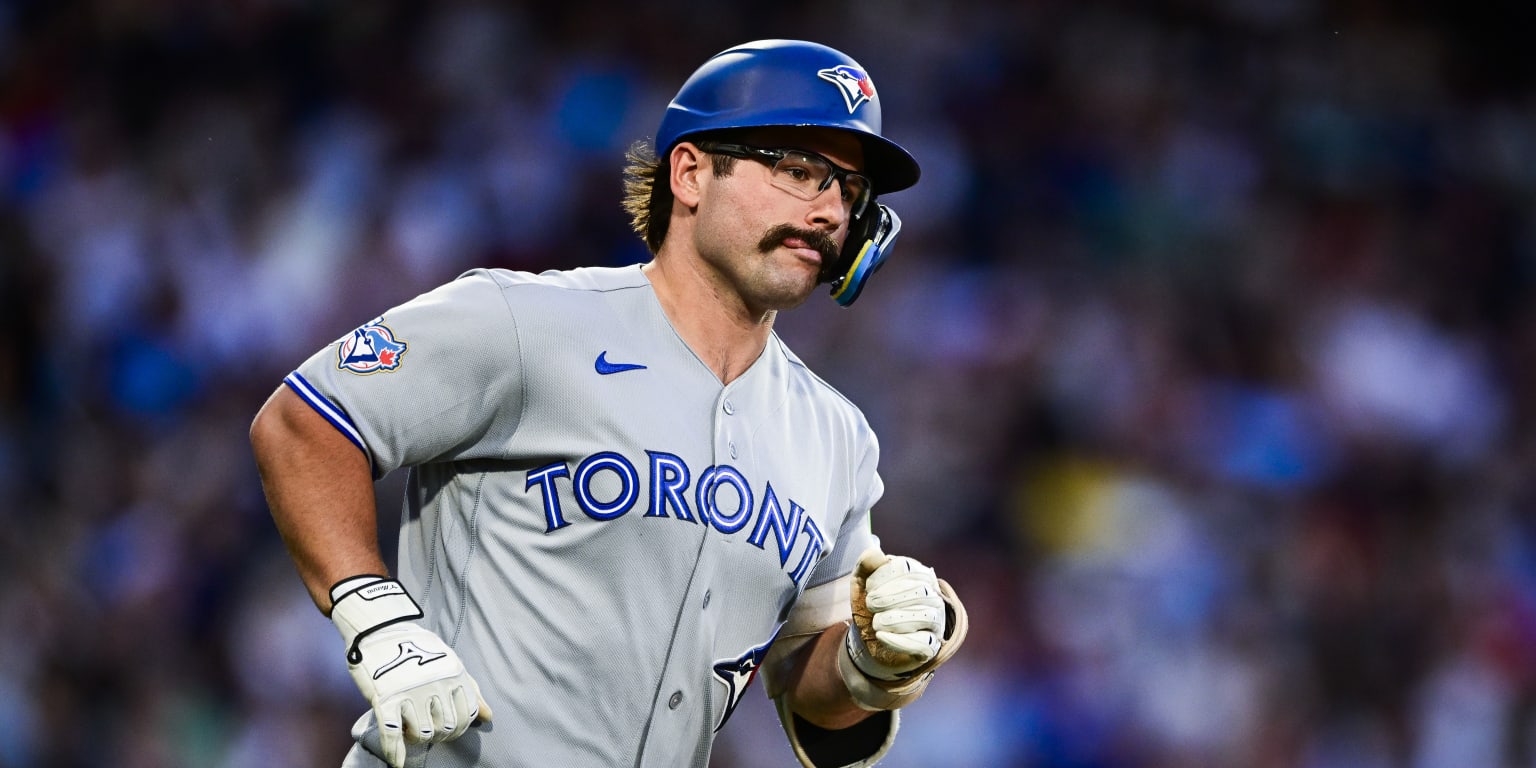
The Blue Jays made a flurry of roster moves before Thursday's game against Tampa Bay: recalling infielder/outfielder Davis Schneider and left-hander Adam Macko from Triple-A Buffalo, optioning infielder Sean Keys to Buffalo, and placing left-hander Patrick Corbin on the 15-day injured list with a left teres major strain, effective retroactively to Wednesday.
Corbin's shoulder injury removes a rotation piece mid-season. The 38-year-old posted a 5.51 ERA across 19 games in his first season with Toronto, mixing starts and relief appearances. A teres major strain—a small rotator cuff muscle that supports external rotation—typically sidelines pitchers for 2-3 weeks minimum, though recovery can extend longer depending on severity. The retroactive dating suggests he suffered the injury during or immediately after Wednesday's action, expediting the decision to shut him down. Macko, his replacement from the bullpen, arrives with a 4.18 ERA in Triple-A and a 5.03 mark in 19 Toronto appearances. He's 2-0 on the season but has struggled with consistency, making him a depth play rather than an upgrade.
Schneider's recall is the more telling move. The 28-year-old was part of Toronto's AL championship run last year, blasting 11 homers in limited time. This season, however, he's been a drag on offensive production: .153 average, three homers, and 12 RBIs across 49 games. The contrast with his Triple-A performance—.253 average with a .986 OPS and five homers in 30 games—suggests environmental factors may be at play rather than a sudden loss of ability. Minor-league offensive inflation is real, but the 100-point gap between his MLB and Triple-A batting averages is severe enough to warrant scrutiny. Keys, the player Schneider displaces, hit .167 with one homer in 12 games, so the swap at least addresses immediate offensive void rather than creating one.
For prop betting, Schneider's return introduces volatility on two fronts. First, his presence in the lineup immediately expands Toronto's positional flexibility and bench depth, which could suppress pinch-hitter and mid-game substitution props if he's used as a starter. Second, his offensive profile—struggling badly in MLB yet productive in the minors—creates a sharp decision point: is his .153 MLB average a harbinger of true decline, or a function of cold stretches and unfavorable matchups that the move downstairs was designed to correct? If the latter, his return props (hits, RBIs, runs) could represent value as the market likely prices in continued underperformance. If the former, unders on his individual stats and Toronto's team total offensive output are safer. The key is lineup construction: if he returns to the bench or lower in the order, his volume-dependent props shrink. If Toronto bats him leadoff or second, expecting the minors experience to unlock something, his hands become tied to the lineup's overall rhythm.
Corbin's absence is a minor dent in rotation depth rather than a catastrophic loss. His 5.51 ERA suggests he was already a weak link in the pitching hierarchy, and the timeline on his return—likely mid-August if the 15-day IL date holds—keeps him available for the stretch run. The near-term impact is Macko's insertion into the bullpen rotation, a lateral move that doesn't meaningfully strengthen or weaken Toronto's pitching attack.