Yamamoto's Near-Miss Streak Masks a Deeper Consistency Play Against Baltimore
By Ty Whitney ·
Two ninth-inning home runs have stolen no-hitters from the Dodgers ace in a month, but his actual strikeout and ERA production remains among baseball's most reliable anchors.
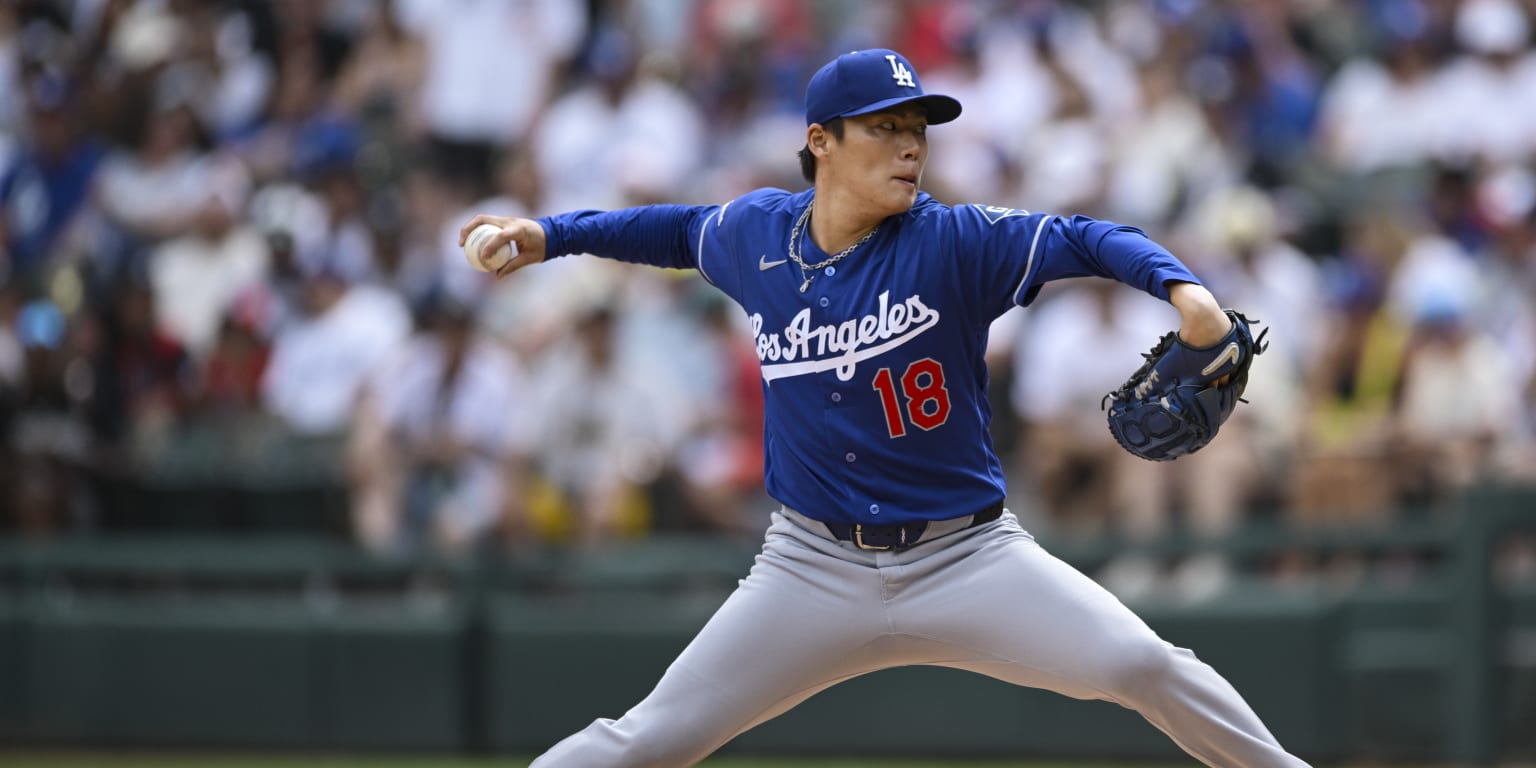
Yoshinobu Yamamoto came within one batter of history twice in thirteen days. First, a solo shot to Tristan Peters in the ninth inning on June 14 ended a perfect-game bid and no-hit attempt against the White Sox. Before that, on September 12, 2025 at Camden Yards, a Jackson Holliday home run with one out remaining cost Yamamoto a no-hitter against the Orioles. The narrative has calcified around near-misses and heartbreak. But Saturday's matchup against Baltimore at Dodger Stadium isn't actually about chasing the no-hitter—it's about recognizing what Yamamoto has actually been doing while those dramatic moments steal the headlines.
Yamamoto's recent run is elite by volume and efficiency. In his last five starts, he's compiled a 4-1 record with a 1.01 ERA across 35⅔ innings—that's four earned runs in 23 games' worth of work. He leads the Dodgers in total innings pitched with 85⅔ on the season. Between his last two outings, he retired 22 consecutive batters on June 6, then opened his next start by retiring 23 in a row, tying Mark Buehrl's 2009 mark for the second-longest such streak since the Expansion Era began. That's not the profile of a pitcher riding luck or benefiting from babip variance. That's a pitcher compiling outs at an exceptional rate.
The Orioles represent a particularly revealing matchup. Baltimore ranks among the league's more aggressive early-count hitters, which typically correlates with higher strikeout rates for premium fastball pitchers. Yamamoto's arsenal—a triple-digit four-seamer, a hard slider, and a devastating splitter—is purpose-built for strikeout extraction against teams that expand. The Orioles also carry a strikeout rate in the 23-24% range as a lineup, above league average. More granularly, Yamamoto faced this same Baltimore roster last September and generated swings-and-misses at a material clip before one fifth-inning swing changed the script. The personnel has shifted only marginally since then; the mechanical exploitability hasn't.
Books have likely adjusted Yamamoto's strikeout total upward in light of his recent 25-strikeout run across those two near-hit starts, treating the elevated volume as a baseline reset. But that's a narrative correction, not a performance correction. His true-talent strikeout rate—measured across 85+ innings—sits cleanly above 9 per nine innings, and he's facing a lineup primed to chase early. If the line sits anywhere near his 24-hour average, the over on his strikeout prop carries durability because it's built on a multi-month pattern, not a two-game spike. The market's attention to the no-hit bids may have compressed pricing on the purely outcomes-based prop that actually matters for wagering.
Yamamoto's stated priority—winning the game rather than chasing history—deserves weight too. The Dodgers have won all four of his last five starts despite the dramatic near-misses. That consistency in run support and bullpen deployment is its own edge. But for bettors keyed to strikeout props and ERA-based team-total unders, Yamamoto's recent form isn't a one-off lightning strike—it's a pitcher playing at an elite, sustainable level against an opponent his arsenal is geometrically designed to strike out.