Acuña's Hamstring Heal Resets Atlanta's Lineup Math
By PropBetEdge Editorial Team ·
Ronald Acuña Jr. returns from a two-week absence to reclaim leadoff, forcing a recalibration of how the Braves construct offensive value around their most dynamic threat.
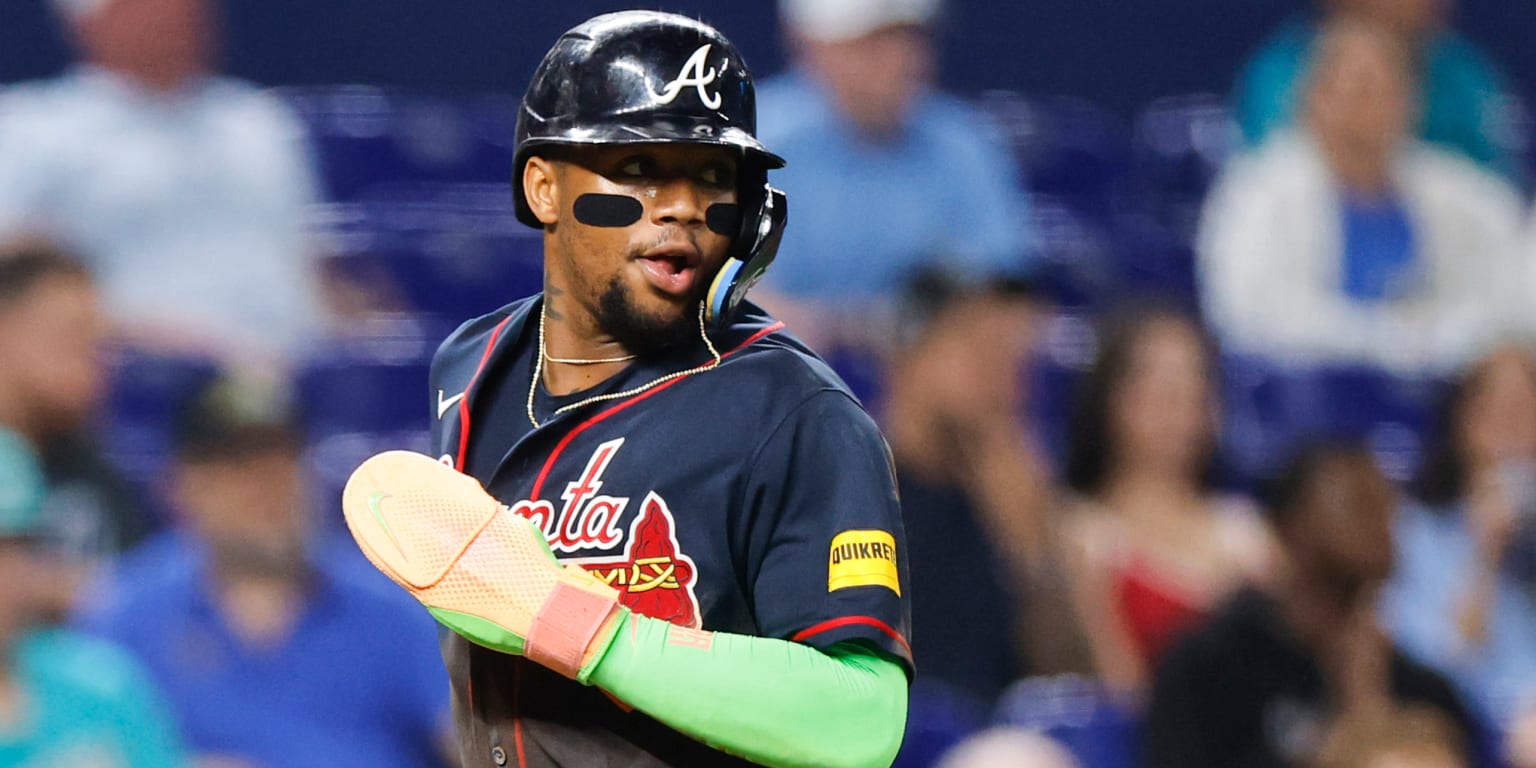
Ronald Acuña Jr. stepped back into right field Wednesday at loanDepot park for the first time since May 2, ending a roughly two-week stint on the injured list with a left hamstring strain. The timing matters less than the positioning: Acuña is back in the leadoff spot, a role Drake Baldwin had occupied during his absence. Manager Walt Weiss framed the difference plainly—Baldwin is a quality hitter, but Acuña at the top of the order "changes things," a euphemism for the fact that you cannot replicate what a 30-homer, 40-steal threat does to a pitcher's sequencing and a defense's positioning in the first inning.
The Braves are taking the long view on Acuña's integration. The plan involves easing him back through a rotating mix of designated hitter starts, potential off-days, and bench appearances, pending how his hamstring responds over the next week. That's sensible injury management for a player with a documented history—a torn ACL in Miami in 2021 reset his entire trajectory—but it also creates an operational complexity. Baldwin, the stopgap, is now sidelined with a Grade 1 oblique strain. Acuña told Spanish-language media that the two weeks away left him feeling fresher than he had before the injury, citing fatigue and routine stress as pre-injury concerns. Whether that mental reset translates to a sustained uptick in production remains the real question.
From a pure lineup construction angle, Acuña's return shrinks the Braves' offensive variance. Baldwin's presence in the leadoff spot meant Atlanta was relying on a high-OBP secondary creator to set the table. Acuña eliminates that middleman. He generates stolen-base opportunities, forces early-count aggression from pitchers, and puts pressure on opposing bullpens by reaching base in high-leverage spots. Over his career, Acuña has averaged 40 stolen bases per 162 games and has drawn walks at a 10.5% rate—both elite for a leadoff hitter. When he's healthy and positioned at the top, the math on team run production tilts measurably higher.
The betting implication hinges on two factors: certainty of playing time and velocity of return to form. The day-by-day, load-managed approach introduces volatility into prop-bet construction around Acuña himself—his strikeout, walk, and stolen-base lines could move unpredictably as the Braves adjust his workload. However, the Braves' team totals and offensive-series projections should respond positively to his presence. Against right-handed starters, where Acuña will see the bulk of his early action, Atlanta's run environment expands because leadoff baserunners drive up knock-on-effects downstream. If you're evaluating Braves overs on team totals over the next 10-14 days, Acuña's return is a structural bullish signal—not because he's immediately back to full capacity, but because the lineup regains its intended topology. The market may not have fully repriced team totals yet if the hamstring return was viewed as a injury update rather than a lineup-architecture reset.