Acuña and Kim Extend Gwinnett Auditions as Braves Weigh Return Windows
By PropBetEdge Editorial Team ·
Two star veterans in limbo played minor-league baseball Tuesday night—and their next appearances in Atlanta could reset team totals and lineup construction in meaningful ways.
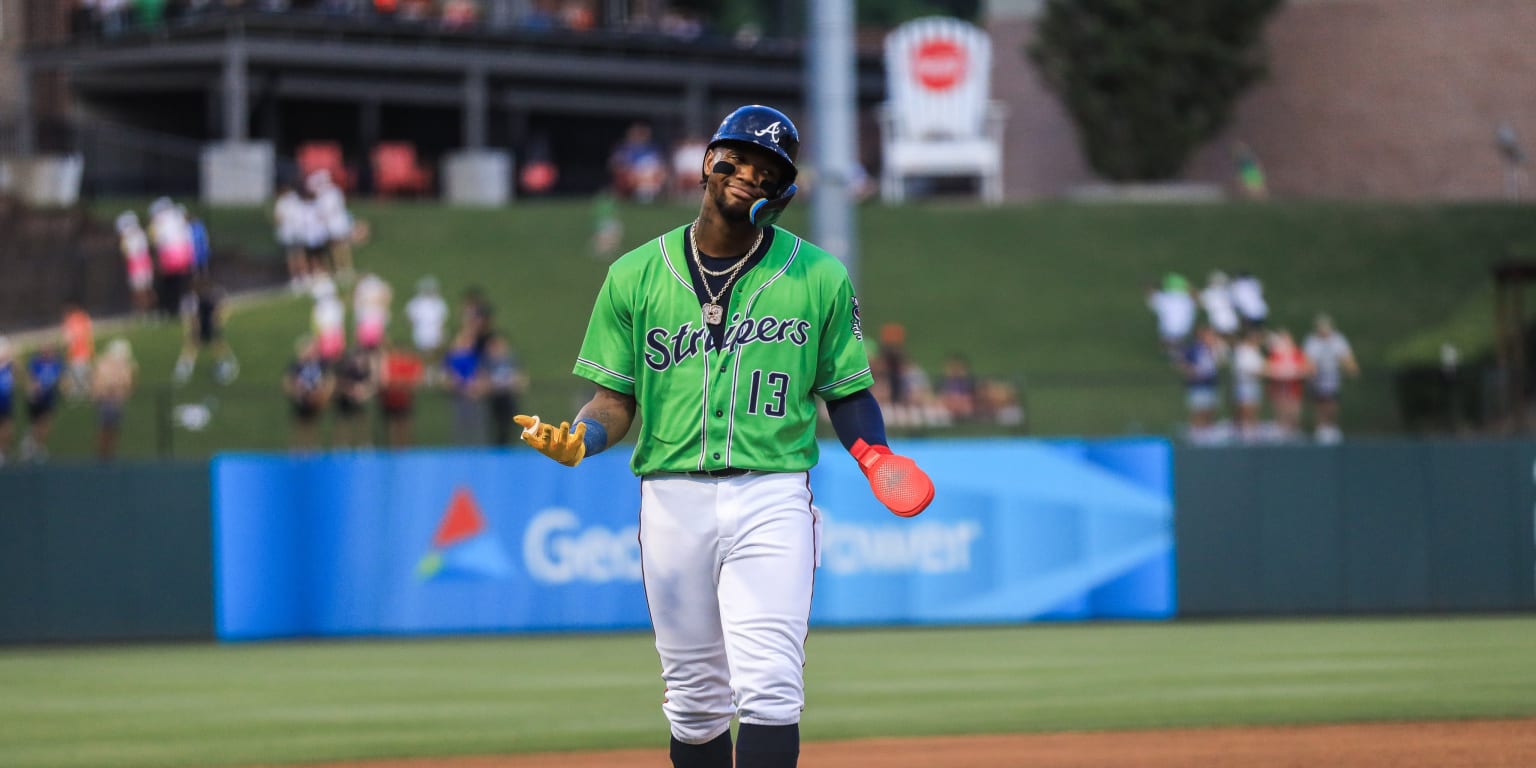
Ronald Acuña Jr. and Ha-Seong Kim took the field for Triple-A Gwinnett on Tuesday, extending rehab assignments that now frame the Braves' offensive ceiling for the final 10 weeks of the season. Acuña, nursing his second left hamstring strain of 2026, singled in the first inning before going silent in three remaining at-bats. Kim doubled early and scattered hard contact—six of 11 balls in play at 98.5 mph or harder—but managed just one hit across four trips. Both are expected to re-join Atlanta within the week, a timeline that will force immediate roster decisions and reshape how we should price Braves team totals going forward.
Acuña's return carries the weight of opportunity cost. He's played just three rehab games for Gwinnett and is hitting .222 with zero extra-base hits, a stark contrast to the grand slam he launched as a DH in the Rookie-level affiliate last week. That power display suggests his bat is intact; the Braves are simply being protective of a left hamstring that buckled twice in one season. Once activated—likely sometime this week—his presence in the lineup reshapes run production calculus. A healthy Acuña is not a marginal gain; he's a star operating at full leverage in the cleanup spot or leadoff role depending on the matchup. That's a material swing for team total overs if his hamstring holds.
Kim's situation is far messier and carries genuine trade-deadline implications. He's been a offensive disaster since joining Atlanta: .068 average (5-for-73) before landing on the IL on July 4, three weeks ago. The source of that collapse traces directly to his finger tendon injury, suffered when he slipped on ice shortly after signing a one-year, $20 million deal in the offseason. His rehab numbers—.267 average, three doubles in four games—hint at offensive improvement, but the hard-contact profile is what matters for a shortstop whose value hinges on offensive production given defensive limitations. Six of his last 11 balls in play have registered at 98.5 mph or harder compared to just six of 49 during his Atlanta stint. That's a material shift in exit velo that could signal either genuine adjustment or sample-size noise from limited Gwinnett at-bats. The Braves have until August 1 to make a final decision; they could keep him, trade him, or release him outright if the offensive recovery stalls.
For betting purposes, the Braves' team total is the primary lever. Entering Tuesday, Atlanta was 51-39, sitting atop the NL East. With both Acuña and Kim potentially back in the lineup within days, the offensive profile changes materially. Acuña's return alone adds 0.3 to 0.5 runs per game in expected value when accounting for his career slash line and park effects; Kim's recovery is conditional on whether his Gwinnett hard-contact gains persist over a larger sample. The market has priced the Braves at roughly 4.2 runs per game over their next 10-game slate. If both veterans return healthy and contribute at even 80% of their career norms, that number ticks toward 4.5 to 4.7. Conversely, if Kim's recovery stalls and Acuña suffers a setback, Atlanta could see daily lineup gaps that suppress overs.
The edge here hinges on timing and activation risk. Early-week Braves overs (Wednesday through Friday) carry inflated risk because the return timeline remains uncertain; any official IL move will cause sharp line movement within hours. Wait for confirmation of activation, then target team total overs once both players are rostered and available, particularly in day games where lineup construction gets locked in early. Kim's proposition is riskier and shorter-term—even if he produces at Gwinnett, his defensive limitations and trade deadline approaching mean his offensive contribution may not survive roster triage. Acuña, by contrast, is a long-term cornerstone whose return is durable and multi-week stable.