Dodgers Unleash 9-Run First Inning Against Angels; Ohtani Bookends Offensive Onslaught
By PropBetEdge Editorial Team ·
Los Angeles posted its biggest first-inning output in five years on Saturday, completely deflating the Angels' starter and raising real questions about how long the market will lag the Dodgers' offensive velocity.
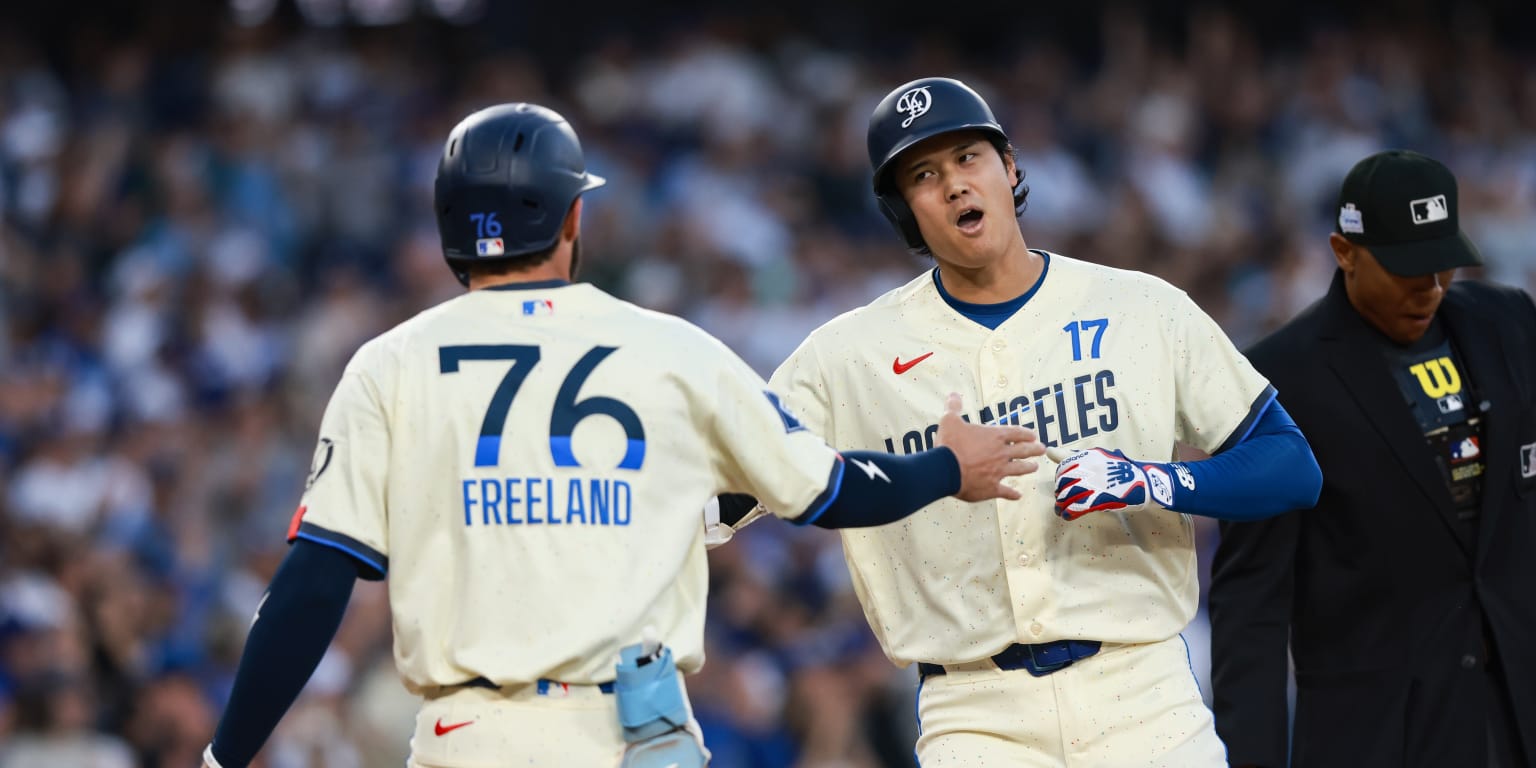
The Dodgers scored nine runs in the bottom of the first inning Saturday against the Angels—a single-frame explosion so lopsided that it accounted for the entire early margin before Angel Oswald Peraza's top-of-the-inning RBI triple could register as meaningful context. It was the largest first-inning output for Los Angeles since June 2, 2021, when they posted 11 against St. Louis, and the biggest opening frame across MLB since Pittsburgh's nine-run first on August 1, 2025.
The damage flowed through multiple vectors. Shohei Ohtani's leadoff infield single set the table; Andy Pages followed with a two-run shot on an 89.6 mph changeup. Freddie Freeman and Mookie Betts both singled to compound the pressure. A wild pitch advanced the runners; a throwing error by Angels shortstop Zach Neto on a grounder by Alex Freeland allowed three more to score. Then Ohtani returned to the plate and deposited an 89.9 mph sinker into center field for a two-run homer—his 11th of the season—to punctuate the frame. Eleven Dodgers came to the plate. Angels starter Jack Kochanowicz never made it out of the inning.
What matters here is mechanism, not just scoreboard theater. This wasn't a blowout that developed across nine innings—it was a concentration of offensive execution and defensive fracture in 15 minutes. Kochanowicz's pitch mix (the 89.6 and 89.9 offerings suggest a reliance on mid-velocity stuff) got exposed early and often. The Angels' defense cracked under the sustained pressure: throwing errors, inability to escape the inning, bullpen deployment forced into a fire-drill situation. This is the kind of momentum-breaking first inning that tends to weigh heavily on pitching lines for subsequent games, especially relief usage.
For prop bettors, the angle isn't to chase the 9-1 scoreline retroactively—that's narrative inflation. The edge is forward-looking. First-inning totals in games where one team posts that kind of early offensive outburst often overcorrect in the next matchup; sharps anticipate fatigue or lineup adjustments on the Angels' side, while the Dodgers' confidence state (and plate discipline after a 9-run frame) can drive elevated scoring in subsequent innings. If the Dodgers face this Angels rotation again within the next 10 days, monitor Kochanowicz's return matchup closely: batters who saw him Saturday now carry film of his early-inning vulnerability. Conversely, the Angels' bullpen was heavily taxed; their reliever usage pattern changes, which affects total positioning for their next game. Single-game blowouts fade as predictors within 48 hours, but the institutional adjustments they force—lineup confidence, bullpen workload, pitcher confidence—create edges that persist across the short term.