Eight Trade Candidates Emerging as Deadline Nears: Which Teams Get a Valuation Boost
By PropBetEdge Editorial Team ·
With less than seven weeks until the July 30 trade deadline, the market for underperforming talent is already taking shape—and some acquirers will pay premium prices for marginal upside.
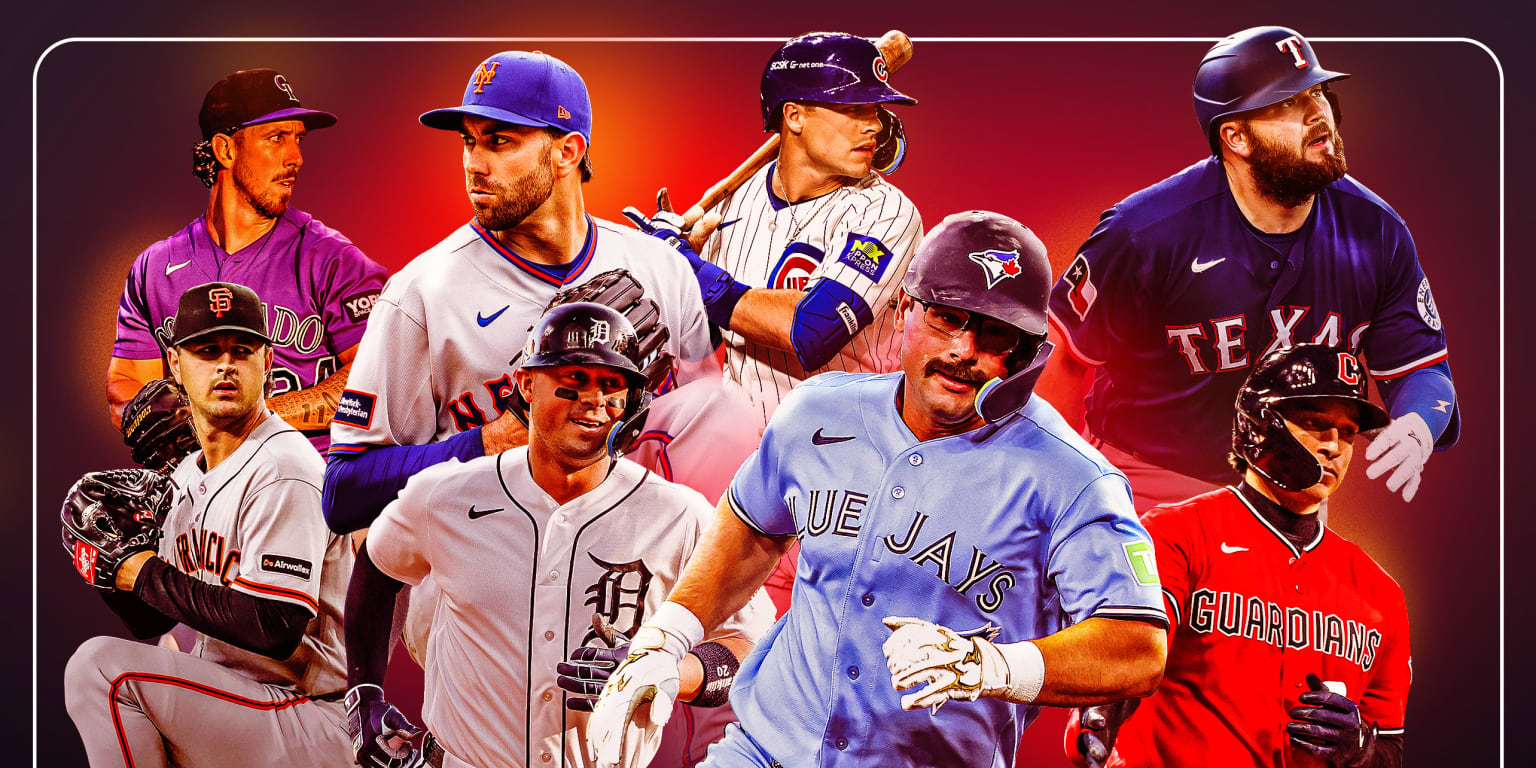
The 2026 trade deadline is reshaping itself around a familiar profile: talented players whose current environments have suppressed their production. Eight names are circulating in pre-deadline chatter, each carrying a different risk profile and each telling bettors something distinct about how their acquiring teams will approach the rest of the season.
Jake Burger at first base for Texas is perhaps the clearest case study. The 30-year-old hit 63 home runs across 2023-2024 with the White Sox and Marlins, posting a .793 OPS. In two seasons with the Rangers, that has collapsed to 26 homers and a .696 OPS; his on-base percentage has cratered below .300 for a second consecutive year despite earning just $3.2 million annually. Texas's front office depleted prospects to acquire MacKenzie Gore this winter, leaving them vulnerable to dealing mid-tier talent like Burger if contention stalls. A club with secondary first-base need—say, a playoff contender looking for a low-cost power platoon—might view him as a bullpen reclamation project. Michael Lorenzen in Colorado represents the inverse problem: a pitcher whose peripherals (9.67 ERA at altitude, yet a 6.64 FIP and 68th-percentile walk rate) suggest environment-driven collapse. His 2023 All-Star season with Detroit feels like proof of concept that a move to a pitcher-friendly park could resurrect value. Tyler Mahle with San Francisco and David Peterson with the Mets are injury-return candidates; both are showing sparks in limited looks (Peterson's 1.88 ERA in 24 bullpen innings is a legitimate signal that a rotation role in a new system could work). Bo Naylor and the Guardians' catching logjam is pure depth chart algebra: Naylor is blocked by Austin Hedges and David Fry at the major-league level, while Cooper Ingle (a top-three prospect) is crushing Triple-A. The Guardians will move him for pieces, not stars.
For bettors, the critical insight is timing. These trades don't typically execute until late July, leaving a five-week window where speculation inflates the prices of acquiring teams' playoff odds and depresses sellers' win-total markets. Teams known to be in on Burger or Lorenzen will see their total bases and slugging projections adjusted upward in prop markets before the deal closes. Conversely, a club like San Francisco—now with the second-worst record in the National League—will become a progressively harder fade on win totals and moneylines as sellers tee up departures. The books price these moves reactively, which means early action on acquiring contenders carries an edge if you identify which franchise is most likely to land multiple pieces.
Petterson's demotion to the bullpen (1.88 ERA in 24 innings) is a secondary tell. If the Mets are serious sellers, his strikeout props become volatile—he'll shift from back-end starter volume to high-leverage relief looks, which compress opportunity but concentrate impact. A relief specialist with a 2.1 K/IP rate in limited innings is not the same bet as a starter with the same rate over 150 innings. Teams that acquire Peterson will immediately slot him into multi-inning appearances, raising his per-appearance strikeout ceiling but lowering his season-long volume. That's a distinct prop angle worth tracking in the weeks before any move occurs.