Twins Survive Extras Thriller After Ryan's Eighth-Inning Collapse; What the Win Reveals About Minnesota's Resilience Profile
By Ty Whitney ·
Minnesota's 5-3 victory in 11 innings over Chicago exposes both the volatility of extended games and the Twins' capacity to execute under leverage—patterns that reframe how to size their team-total props.
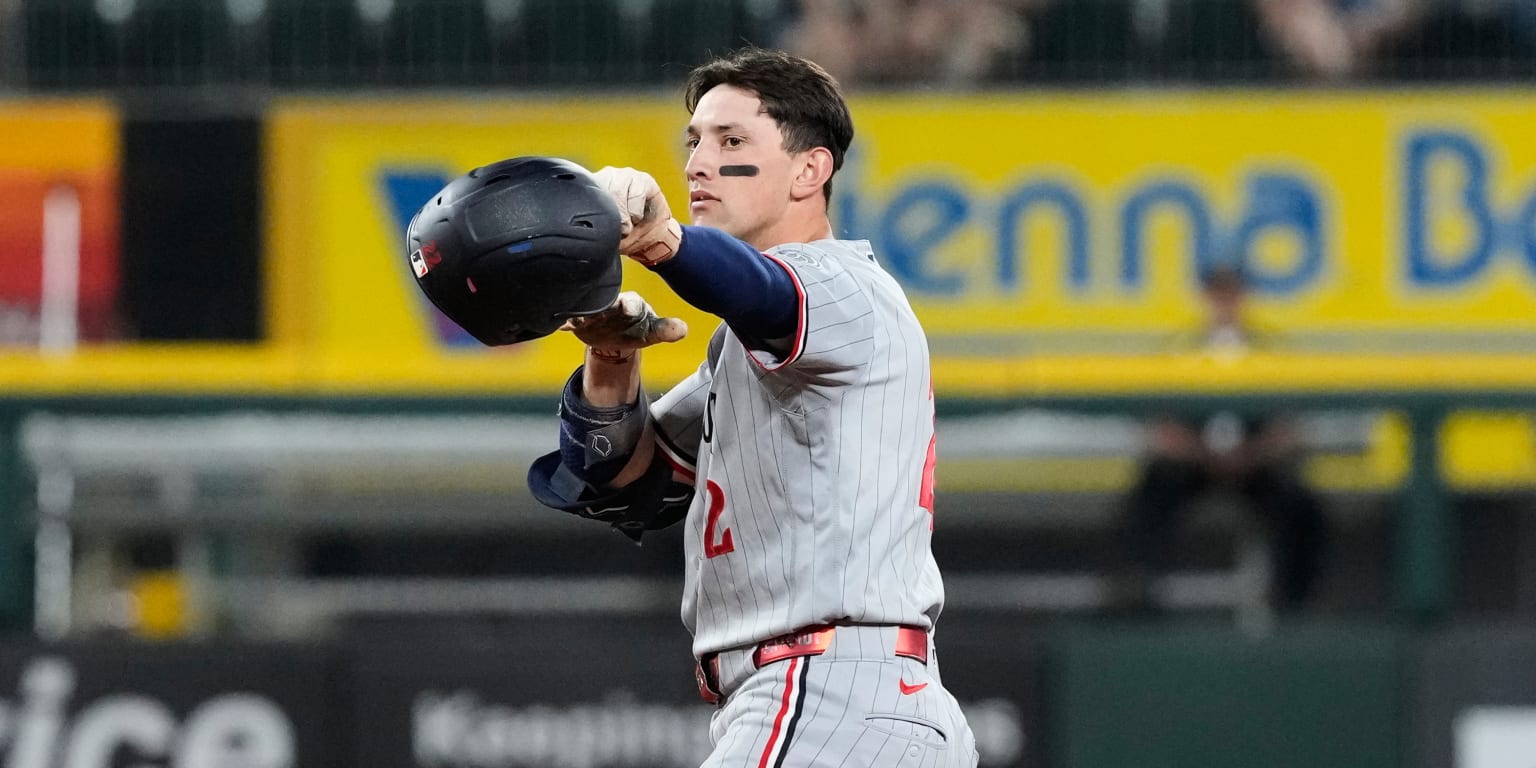
The Twins' 5-3 extra-inning victory over the White Sox on Tuesday evening arrived at the end of a narrative arc that shifted from dominant to desperate in the span of one inning. Joe Ryan operated flawlessly for seven frames, spinning low-count innings against a reordered White Sox lineup. The lead sat at 2-0 when Derek Shelton opted to bring Ryan back for the eighth—a decision that was defensible in real time and indefensible in retrospect. Munetaka Murakami's two-run homer on a hanging slider tied the game and signaled that Minnesota's comfort zone had evaporated.
What followed was a masterclass in tension management. The Twins twice came close to walking off the scoreboard, and both times the White Sox manufactured escapes. Brooks Lee's interference call in the ninth robbed Minnesota of immediate breathing room; then Josh Bell—operating with short-hop awareness—turned a runners-in-scoring-position situation into an inning-ending double play by snaring a soft liner and chaining the tag to first base. These were not gifts. They were instances where execution and fortune aligned to extend the ballgame.
The Twins responded to the extended test with precision in the 11th. Byron Buxton's at-bat showcase the difference between accepting bad calls and challenging them: trailing 3-1 against Tyler Davis, he worked an outside slider into a walk after video review revealed the pitch by more than an inch off the zone. Lee followed with a two-out, bases-loaded liner into the right-field corner, driving home all three runners. The walk and the hit were not accidental. They were the product of a team that understood the leverage moment and converted it.
What matters for the prop lens is not the entertainment value but the underlying frequency. Minnesota has now won five of its last six games, and this victory in particular demonstrates a capacity to execute in high-leverage spots—clutch at-bats, disciplined pitch evaluation, and defensive composure when the game narrows to a single pitch. Teams that routinely escape extended games and capitalize on walk-off opportunities tend to carry team totals that benefit from depth in their lineup and bullpen durability. The Twins' ability to generate runs without dominant starting pitching (Ryan's meltdown notwithstanding) and their willingness to trust younger hitters like Lee in ninth-inning scenarios suggests that their offensive ceiling in late-game situations is higher than their season average. This pattern—thriving under pressure rather than folding—argues against fading their team totals in upcoming games, particularly in low-total environments where teams with proven composure tend to overperform their vig.
However, the caveat is structural: Lee's interference call and Bell's barehanded conversion were plays that easily go the opposite direction in a parallel universe. The Twins won because they got both bounce-backs and execution. When testing this win profile against future matchups, the edge resides specifically in games where the Twins face weaker bullpens or travel home (where they are likely to see more favorable run-scoring parks). Single-game extras victories are high-variance events; the meta-lesson is that Minnesota's roster construction and willingness to use young hitters in pressure spots should elevate their expected run production in the weeks to follow, but not because of one 11-inning win—because of what it confirms about their organizational decision-making and personnel deployment.