Olson Joins Braves' 40-Homer Club as Atlanta Clinches East
By Erik Schwartz ·
Matt Olson's two-run shot in the eighth secured Atlanta's playoff berth and cemented him among the franchise's elite power hitters—a consistency signal worth tracking in the postseason.
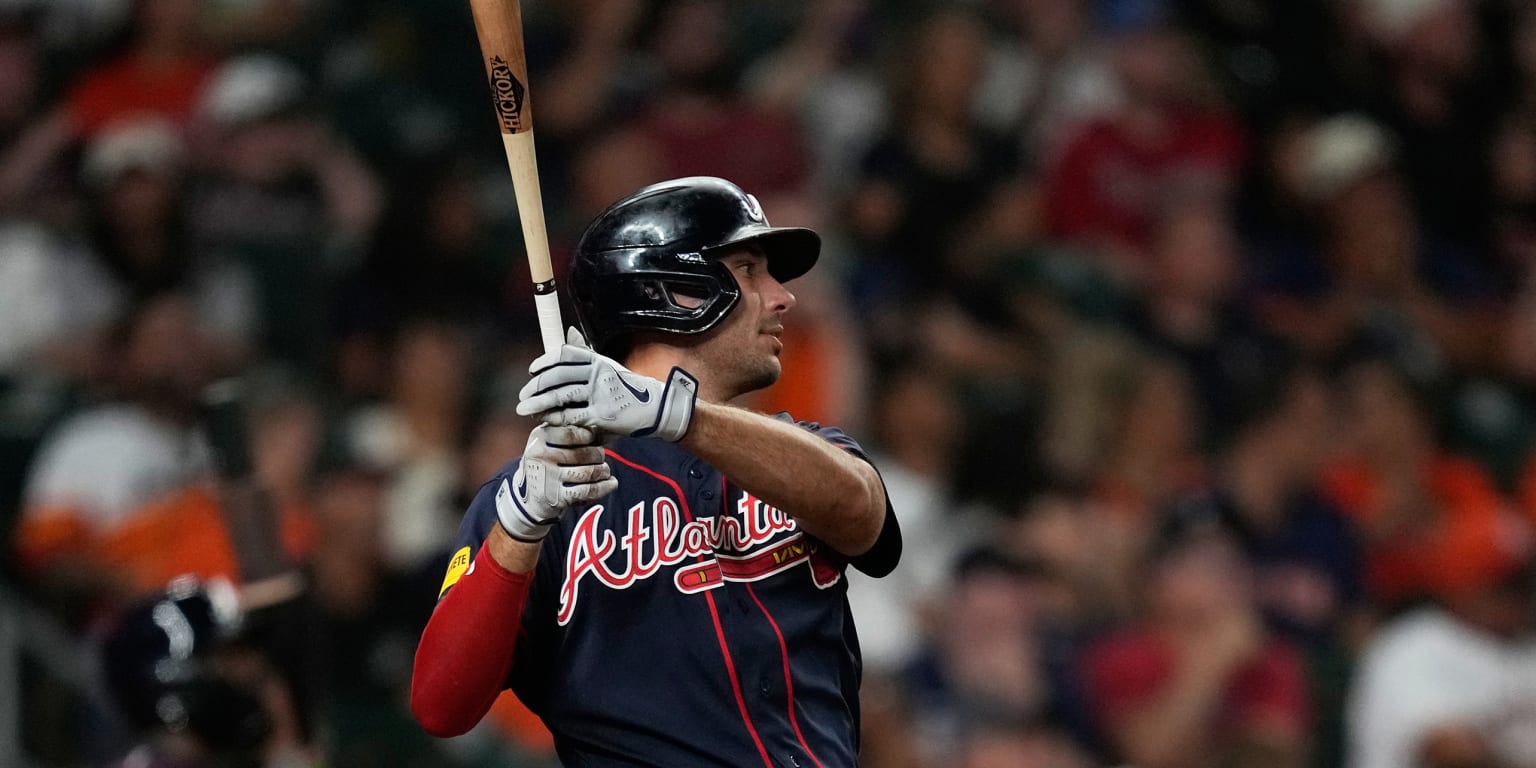
Matt Olson delivered the go-ahead blast Friday night as the Braves closed out the NL East with a 6-2 win over Houston. The two-run homer in the eighth inning was his 40th of the season, marking the second time in his career he's reached that threshold. It's a mark that places him in rare company: only Hank Aaron (eight times), Eddie Mathews (four), Ronald Acuña Jr. (twice), and Andruw Jones (twice) have posted multiple 40-homer seasons wearing a Braves uniform.
What matters here is the consistency. Olson joined that club not through a hot month or favorable ballpark factors—he's built it over a grueling 162-game calendar. Since 2018, his first full MLB season, he's accumulated 303 home runs, fourth-most in baseball behind Kyle Schwarber (339), Aaron Judge (330), and Shohei Ohtani (310). His 2023 campaign, when he hit 54 homers—a franchise record—already announced his elite tier. This second 40-homer season is validation that he's not a one-year anomaly; he's a 35-40 homer guy in a Braves uniform, full stop.
The clinch itself matters less than the timing. Atlanta secures its division with two weeks remaining in the regular season, which means Olson enters October without injury concern and with his timing intact. The Braves' first baseman has logged full at-bats throughout September, not been rested. That's a data point for his early postseason props—specifically his hit total and home run line in the wild-card round.
For bettors, the prop angle hinges on floor, not ceiling. Olson's 40-homer seasons aren't flukes; they're the output of a hitter who maintains a 35% hard-hit rate and a .305 xBA against fastballs year-round. In October baseball, when fastball velocity ticks up and margins compress, he's proven he can produce against premium arms. The Braves won't be facing pitchers worse than the ones he's faced all season. His prop lines—particularly hits (over 3.5 in game ones, where the Braves are favored) and home run totals (over 0.5 in a series context)—are likely to be priced for pedestrian consistency rather than for a guy in the 90th percentile of power output among his peers. The market knows he hit 40; it may not have fully internalized what that means for October variance.