Guardians Acquire Patrick Bailey: Elite Defense Upgrades Cleveland's Pitching Staff at a Cost
By Erik Schwartz ·
When a team trades a 2026 first-round pick for a catcher hitting .146, they're not buying a bat — they're buying a run-prevention engine, and that matters for how you price Cleveland's pitching lines.
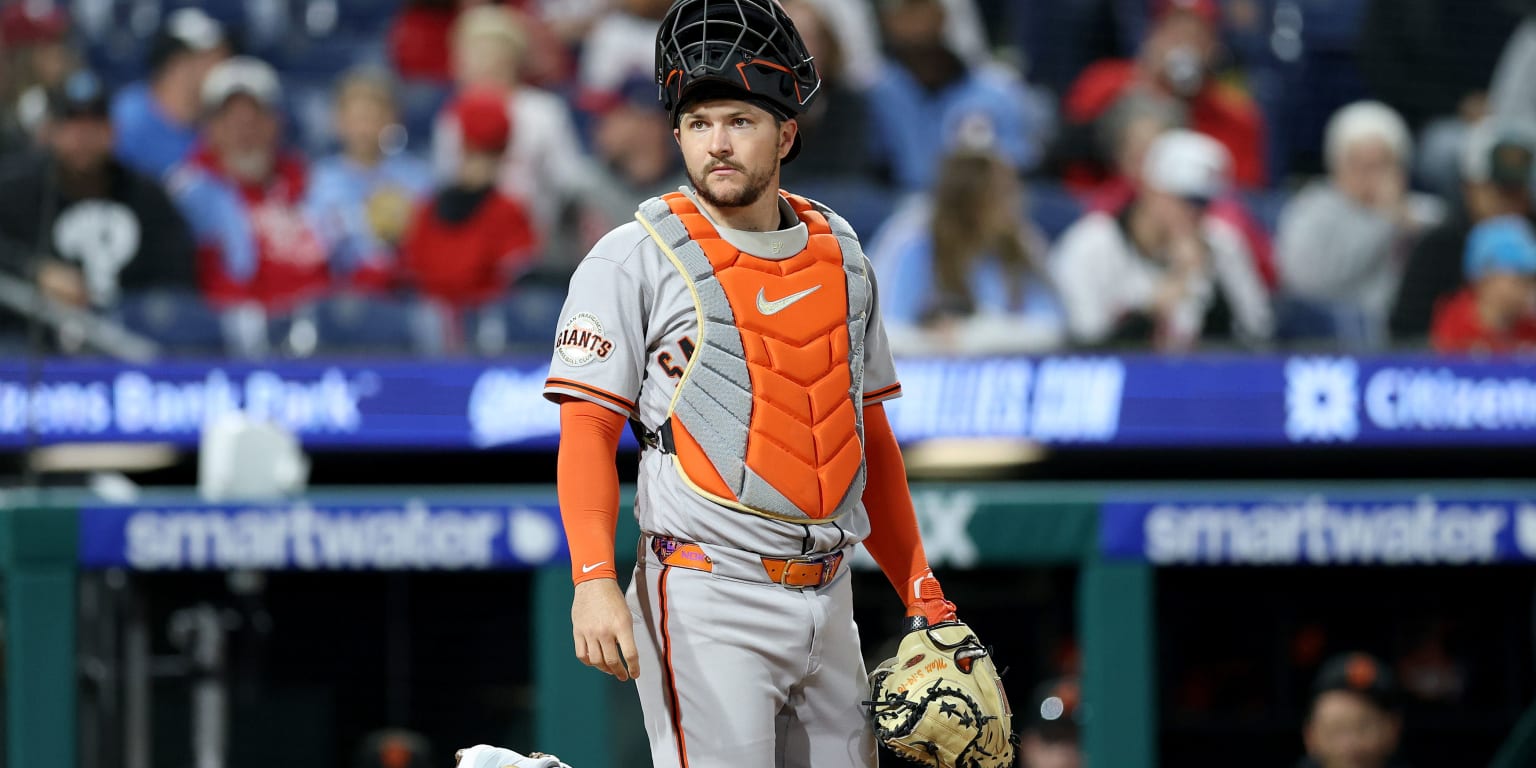
As MLB.com reported, the Cleveland Guardians have acquired catcher Patrick Bailey from the San Francisco Giants in exchange for the 29th overall pick in the 2026 Draft and left-handed pitching prospect Matt Wilkinson. To clear roster space, Cleveland optioned Bo Naylor to Triple-A Columbus — a significant organizational decision that signals just how seriously the front office is investing in pitch framing and game management behind the plate.
Bailey's offensive profile is difficult to ignore, and not in a good way. He's slashing .146/.OPS-.obscured this season and carries a career .224 average with a .611 OPS across three-plus big league seasons. That's not a bat you acquire — that's a bat you tolerate. What Cleveland is actually buying is a 99th-percentile Fielding Run Value grade, two consecutive Gold Glove Awards, and one of the best pitch-receiving catchers in the sport. His presence fundamentally changes the operational value of Cleveland's rotation, a staff already built around weak contact and swing-and-miss execution.
The cost is worth examining. Matt Wilkinson, 23, has been quietly excellent in the minors — a 2.82 ERA across three minor league seasons, a 1.59 ERA in six Double-A starts at Akron this year, 36 strikeouts over 28.1 innings, and a 0.918 WHIP. He's a legitimate prospect, not filler. Pairing him with a top-30 draft pick signals the Giants extracted real value here. For San Francisco, this looks like a controlled rebuild pivot; for Cleveland, it's an aggressive move to maximize a competitive window with a rotation that already has the pieces to go deep.
For betting purposes, the downstream effect here is on Cleveland's pitching lines — team totals, first-five-inning totals, and NRFI markets in particular. Elite catchers who frame and manage a game at Bailey's level routinely suppress opponent run scoring by a measurable margin. Studies consistently show that elite framing catchers are worth 10–15 runs above replacement over a full season purely on called strikes. With Naylor — a competent but clearly lesser defender — sent to Columbus, every Cleveland starter from Emmanuel Clase's setup through the rotation benefits from cleaner counts and fewer hitter-friendly calls. Lean toward the under on Cleveland opponent team totals in road starts where the pitch mix skews heavily to breaking balls; Bailey's receiving of that profile is where his value concentrates most.
The Bailey acquisition also softens any enthusiasm around opposing hitter props against Cleveland starters in the near term. If you've been fading the Guardians' pitching staff on total bases or hits allowed due to catching concerns, that calculus shifts today. This is a quiet but structurally meaningful upgrade — the kind of move that doesn't show up in a boxscore until six weeks of slightly-better counts and slightly-fewer walks quietly tilt a rotation's ERA by a quarter run.