Jordan Wicks and the Save Rule's Contradictions: What Blowout Closing Means for Cubs Leverage
By Ty Whitney ·
A pitcher can earn a save by recording two outs in a one-run game or by throwing three scoreless innings in a 20-run blowout—and Wicks did both in 72 hours, exposing the mechanics that drive bullpen deployment.
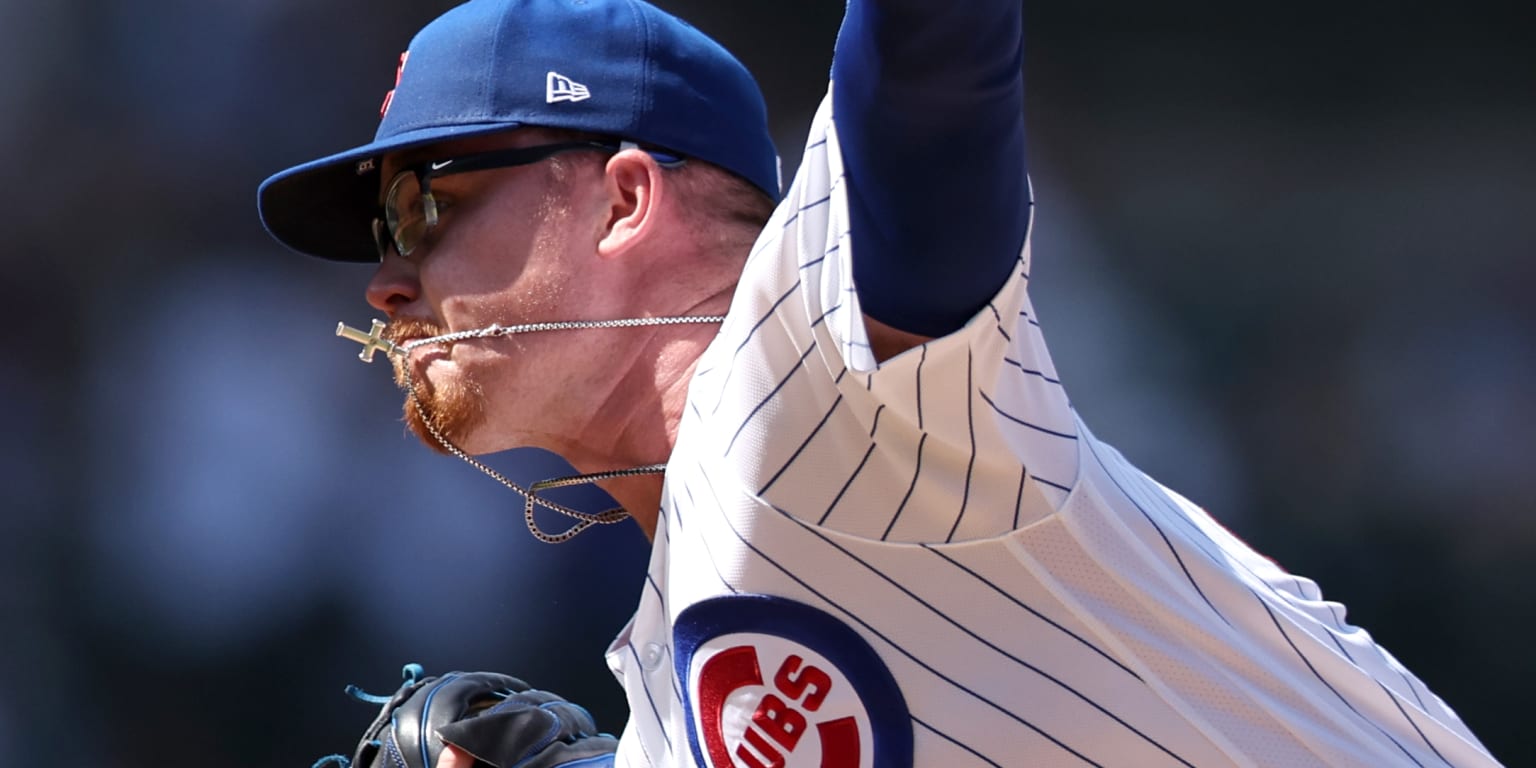
Jordan Wicks got two saves in three days, and they were so structurally different they might as well be unrelated events. On Sunday, June 29, Wicks inherited bases loaded with nobody out, Cubs up 4-2 against Milwaukee. He walked in a run, then escaped with a foul-out and a game-ending double play to preserve a 4-3 win. Three days later, against San Diego, Wicks entered with a 15-2 lead in the seventh inning and cruised through three innings as Chicago tacked on eight more runs en route to a 23-3 final. Same pitcher, same save credit, completely different operational reality.
The save rule itself is the culprit. Official MLB rules grant a save to a relief pitcher who (a) finishes a game his team wins, (b) isn't the winning pitcher, and (c) meets one of three conditions: enters with a lead of three runs or less with the bases loaded, or enters with the tying run on base or at bat, or pitches at least three innings. That third clause is the trap door. It means a reliever can throw three innings in a 20-run game and get the same statistical credit as one who escapes a one-run jam. Wicks became just the fourth pitcher since 1969 to earn a save in a game decided by 20 or more runs, which tells you how rare but completely legal the scenario is.
What this reveals about Cubs bullpen management is the real angle. Wicks got the three-inning assignment in the blowout because Chicago's front office had no reason to preserve top relievers for a game already decided. It was a usage opportunity, not a pressure situation. That's the key variable for prop bettors: when does Wicks actually throw, and under what leverage? In tight games—the kind where saves matter—he's the type of pitcher teams use because he escaped that bases-loaded jam. But the Cubs will also deploy him in games they've already won, padding his save total and his appearance frequency without the corresponding pressure. His strikeout rate, walk rate, and contact profile all change based on leverage. In the high-leverage save situation, he faced three batters and didn't strike anyone out. In the blowout, he threw three clean innings. That variance isn't noise; it's structural.
For bettors tracking Wicks, the signal is that his season save total will likely exceed what pure leverage-based closes would suggest, because Chicago will use him opportunistically. His strikeout props should be treated with caution—they're subject to game context, not just his stuff. When Wicks appears in a game with the Cubs holding a decisive lead (more than three runs entering his inning), his strikeout totals are deflated by low-pressure at-bats and reduced fastball usage. When he enters a tight game, the strikeout ceiling goes up because he attacks the zone. Monitor the game situation at time of entry, not just the matchup.