Bryan Torres' 11-Year Path to the Majors Signals a Different Kind of Hitter in the Cardinals Lineup
By Erik Schwartz ·
A late-blooming contact machine with elite plate discipline just arrived in St. Louis, and his minor-league production suggests the Cardinals have identified a skill set the market may still be undervaluing.
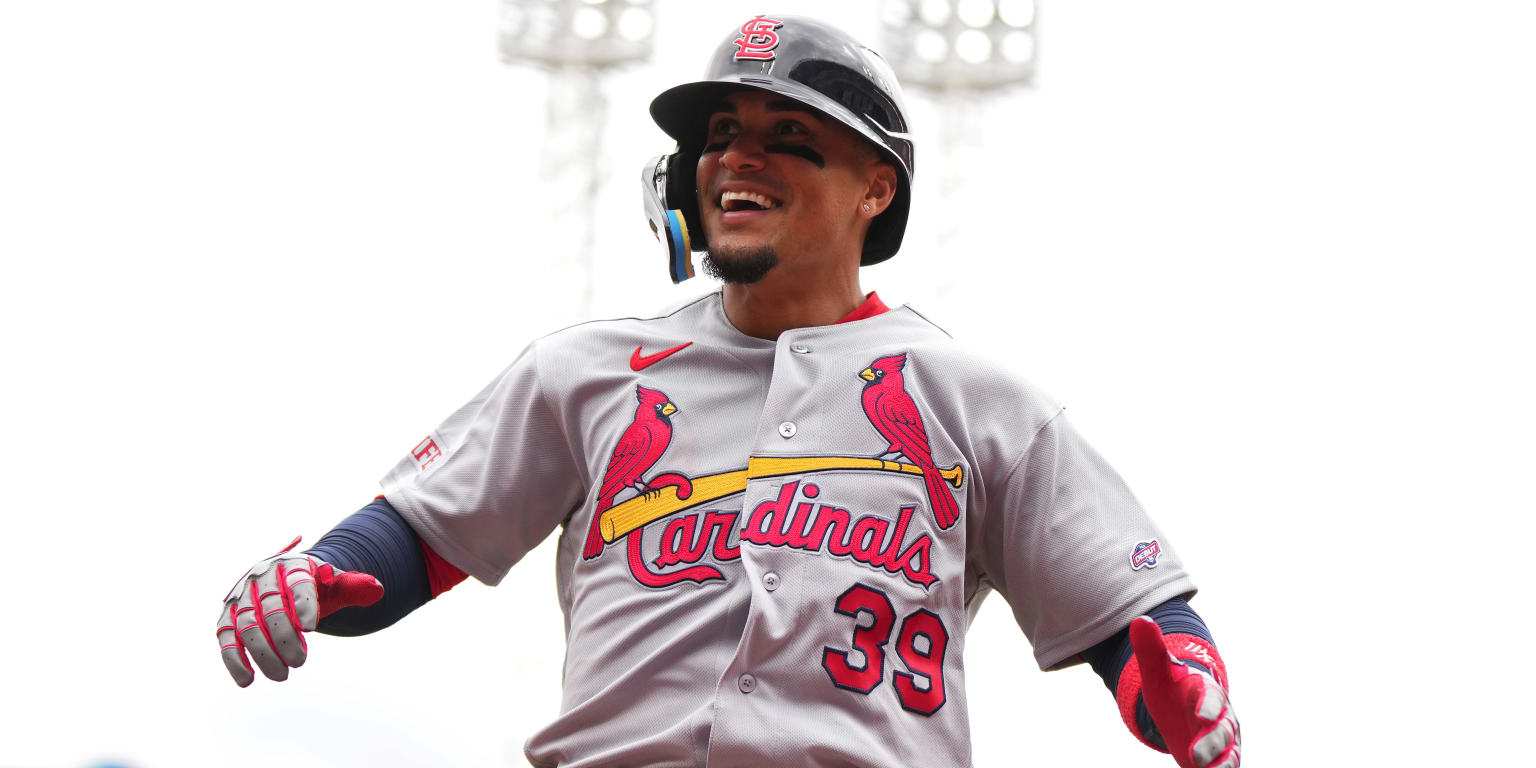
Bryan Torres homered and reached base three times in his MLB debut Saturday as the Cardinals routed Cincinnati 8-1 in the first game of a doubleheader. The 28-year-old Puerto Rico native's arrival came after an 11-year grind through the minors—five seasons in Brewers Rookie ball, a washout year in the Giants system, and a critical pivot to independent ball in the American Association that ultimately attracted St. Louis' attention. The headline is feel-good; the underlying skill profile is worth attention for lineup construction and prop markets.
Torres' path was anything but conventional. Seven years into his pro career, he was ready to walk away. A .668 OPS in 2021 double-A ball looked like a terminal diagnosis for a prospect who had spent five years grinding Rookie ball without advance. But two seasons in the Milwaukee Milkmen's independent league transformed his approach. He slashed .372/.450/.514 while recording 104 walks against just 100 strikeouts in 184 games—a demonstration of patience and plate coverage that MLB organizations cannot ignore. When St. Louis signed him, that discipline followed him into affiliated ball. Over three seasons split between Double-A Springfield and Triple-A Memphis, Torres has combined for a .331/.432/.442 line with 168 walks to 157 strikeouts, a ratio that signals a hitter who understands his strike zone and refuses to chase.
The mechanical foundation is measurable. Torres' 37.6% swing rate at Triple-A ranks in the fifth percentile league-wide—meaning he swings at fewer pitches than 95% of hitters at his level. His 57.7% in-zone swing rate sits in the sixth percentile, indicating he is equally disciplined on pitches within the zone. These are not marginal improvements; they represent a hitter who has constructed a repeatable, contact-first approach. The debut homer notwithstanding, Torres is not a power-forward: his minor-league isolated slugging (.111 at Triple-A) reflects a line-drive, gap-to-gap profile built on consistent contact rather than leverage.
For the Cardinals' lineup construction, Torres represents a specific type of value: a high-contact, high-walk profile that elevates on-base percentage and feeds run-production chains. If he sees regular at-bats (a conditional question, given the Cardinals' outfield depth), his offensive archetype—disciplined, contact-oriented, less volatile than power-speed combinations—creates a floor rather than relying on ceiling outcomes. On the prop side, this matters. Torres' projected strikeout volume should run below team average; his walk rate should exceed it. Casual prop players fixating on his debut homer line may overestimate power projection. The smarter angle focuses on his on-base rate and contact rates in matchups where the Cardinals face high-velocity fastball-heavy pitching. Independent-ball success often flags hitters who thrive against fastballs but struggle with off-speed stuff—worth monitoring as Torres gets 30-40 PA against MLB breaking balls. Until then, his minor-league walk rate (13.8% at Triple-A) and strikeout rate (10.8%) suggest a sub-7 K rate per game and an OBP floor around .365 if he enters the lineup daily.